Wolverhampton and Bilston once dominated two of Britain's most refined decorative arts trades. For more than a century, the area's workshops produced japanned ware and enamelled objects that adorned middle-class homes across the Empire.
The Rise of Japanning in Wolverhampton
Japanning, the European imitation of East Asian lacquerwork, arrived in Bilston by 1719. The technique used resin-based varnishes applied in layers and heat-dried to create glossy black, red, green or blue finishes that mimicked Japanese urushi lacquer.
By 1818, trade directories listed twenty japanning firms in Wolverhampton and fifteen in Bilston. Samuel Timmins recorded in his 1866 study that 2,000 people worked in the japanning and tin-plate industries across the two towns.
Leading Manufacturers and Their Stories
Jones and Taylor began operating from Levesons' Great Hall around 1767. Obadiah and William Ryton took over the same premises in 1783; the future Royal Academician Edward Bird served his apprenticeship there as a painter.
Ryton and Walton later became Walton and Company from 1842. Benjamin Walton built the firm before his son Frederick revived it with new designs. A cabinet with needlework box and writing slope, decorated by Joseph Jones for F. Walton, appeared at the Great Exhibition of 1851.
William Shoolbred bought Charles Mander's japanning department in John Street in 1840. He partnered with Henry Loveridge, and their firm became one of the largest japanners in the country during the third quarter of the nineteenth century. They operated from the Merridale Works, built in 1848.
The Mander Dynasty: From Japanners to Varnish Kings
The Mander family began as japanners in 1792 when Benjamin, Charles and John Mander founded their business. Charles Mander established a varnish works in 1803, and the firm eventually became the largest manufacturer of varnish, paint and printing ink in the British Empire. The family remained public benefactors and art patrons throughout their history.
The Art of the Craft
The japanning process involved several specialised stages. Workers first cut and soldered tinplate blanks, or created papier-mache forms from up to 120 layers of paper. These were stove-dried and saturated in linseed oil.
The blacking and varnishing shop applied several coats of varnish, with each layer stove-dried. Skilled craftsmen then applied gold leaf in the gilding shop. Decorative painters, often directed by artist-designers, added ornamentation. Finally, a clear varnish coat was applied and polished with pumice or rotten stone.
Bilston Enamel: A Parallel Tradition
Bilston developed its enamel industry alongside japanning from the mid-eighteenth century. The town became known for small, colourful enamelled copper objects including patch-boxes, scent boxes, snuff boxes and bonbonnieres. These items featured painted decoration and formed part of the broader West Midlands enamelling tradition.
Decline and Reinvention
The japanning industry entered decline by the 1880s due to changing fashions and competition from electroplating. By the 1920s, the decorative japanned ware industry had largely disappeared from the West Midlands.
Many firms pivoted to new trades. As japanning faded, some manufacturers turned to enamelling, electroplating and metalware such as copper and brass coal scuttles, fire screens and kettles.
The Sunbeam Story
John Marston's career illustrates this transition. He apprenticed to Richard Perry, Son and Company at the Jeddo Works in 1851. In 1859 he bought Daniel Smith Lester's japanning business in Bilston.
Marston began making Sunbeam bicycles in 1877. His wife suggested the name from the gilt-on-black finish reminiscent of japanning. The business evolved into Sunbeam Cycles and later the Sunbeam Motor Car Company, demonstrating how decorative arts seeded Wolverhampton's automotive success.
Where to See These Treasures Today
Three Wolverhampton venues hold world-class collections of these decorative arts. The Bilston Craft Gallery opened in 1937 and now displays almost 100 Bilston enamels in its permanent Craftsense exhibition. Together with Bantock House, this forms the largest collection of enamels outside the Victoria and Albert Museum.
Wolverhampton Art Gallery, which opened in May 1884 in a Grade II* listed building designed by Julius Chatwin, holds substantial collections of japanned ware and Bilston enamels. Its Georgian room displays Bilston enamels depicting famous actors of the era.
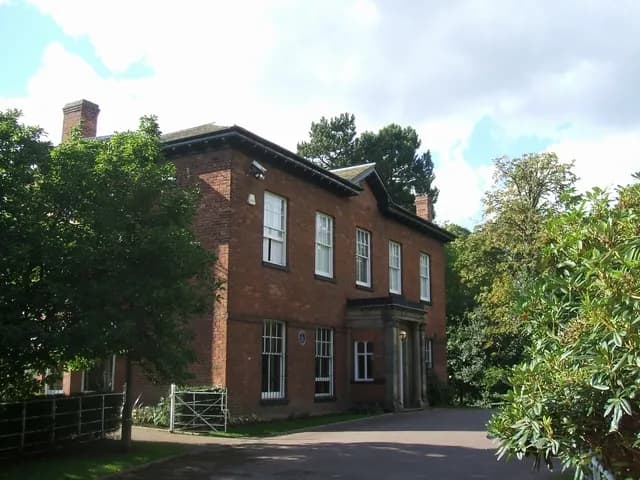
Bantock House Museum and Park, a house dating from the 1730s that was bequeathed to Wolverhampton Corporation in 1938, displays locally made enamels, steel jewellery and japanned ware.
The Black Country Living Museum also preserves and demonstrates the historic crafts and industries of the region.
A Legacy of Craftsmanship
Wolverhampton's decorative arts heritage shaped the town's industrial identity and economic development. From the imitation of Japanese lacquer to the creation of distinctive Bilston enamels, local artisans mastered techniques that brought beauty to everyday objects. Today, these collections stand as testament to the skill and entrepreneurship that once made Wolverhampton a centre of decorative arts excellence.